ChatGPT Live Dictation is rolling out globally to all ChatGPT plans on iOS, Android, web and the desktop app, and OpenAI says it has removed the 10-minute recording limit. Your words now turn into text while you are still talking, which matters if you have ever lost a long ramble to a timer you forgot was running.
TL;DR: OpenAI’s ChatGPT release notes dated November 18, 2026 say Live Dictation transcribes as you speak and that the 10-minute recording limit is gone. It covers every plan and all four platforms. This is separate from ChatGPT Voice conversations, which still carry plan-based time limits.
Live Dictation shows text as you speak
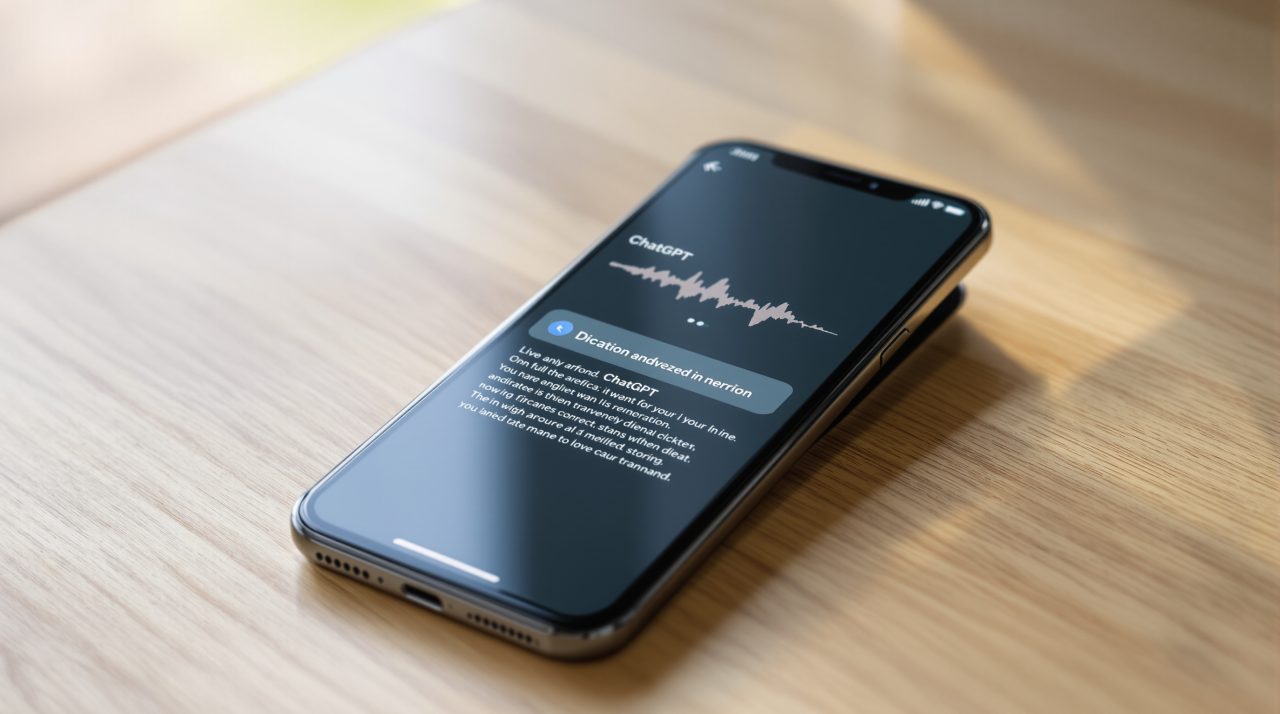
Until now, dictation in ChatGPT meant recording first and waiting for the transcript afterward. The November 18 entry in OpenAI’s ChatGPT release notes says that wait is over: speech is transcribed as you talk, so you do not have to hold the whole message in your head until the end.
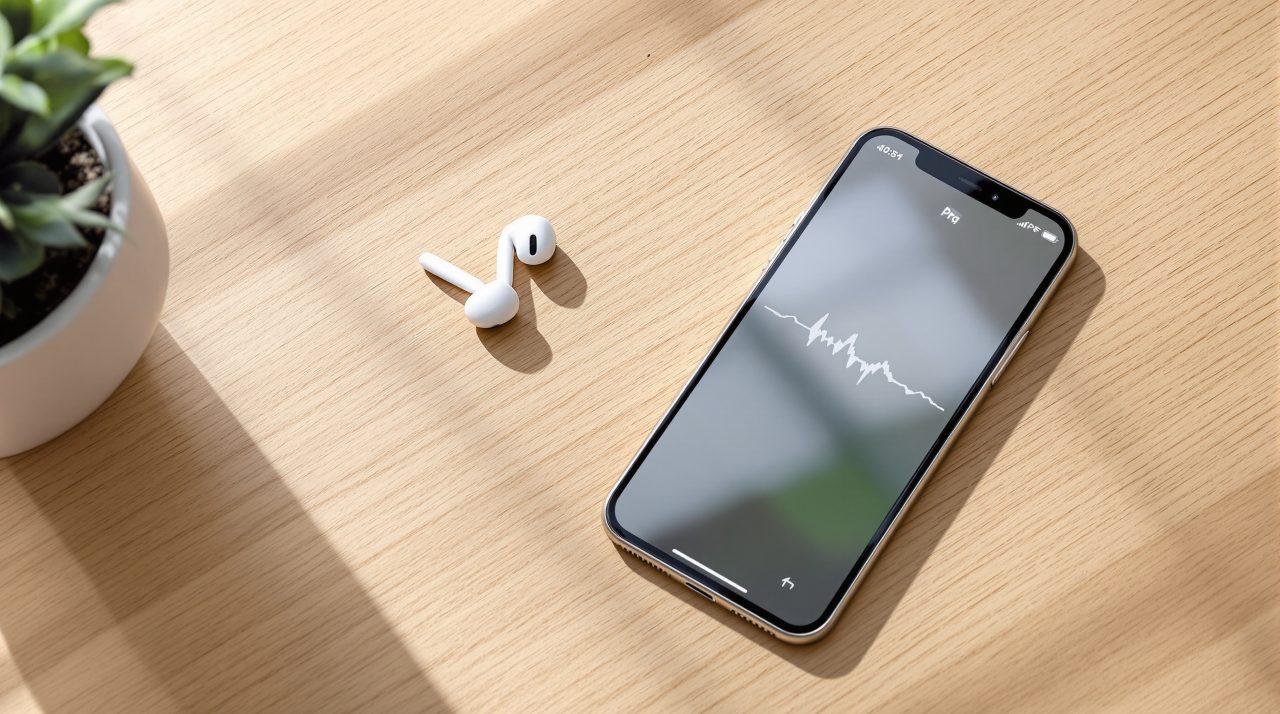
A waveform sits in the composer, and the note says you can tap or click it to show or hide the text as you go. Someone dictating a long email on a walk can leave the text hidden and look only when they stop.
That live text also changes how mistakes get caught, because a misheard name shows up in the middle of a sentence instead of at the end of a ten minute recording.
The 10-minute limit is gone on every plan
OpenAI’s wording is direct: “We’ve also removed the 10-minute recording limit.” The note lists no plan or platform exclusions, and it describes the rollout as global across all ChatGPT plans on iOS, Android, web and the desktop app.
The same release note page does not give a replacement cap, so the confirmed part is that the 10-minute ceiling is removed, not that recordings have a stated new length.
For most people the old cap only mattered once, usually in the middle of a long thought. Meeting recaps, voice journaling and first drafts are the uses most likely to have hit it.
Dictation has changed three times since June
This is the fourth dictation entry in the release notes this year. On June 26, 2026, OpenAI rolled out a new speech-to-text model for dictation across all plans. On August 7, iOS added a single automatic retry when a connection problem or timeout interrupts a recording, and on August 14, Android kept the dictation button available after you add text or attachments.
Those earlier changes fixed how dictation fails and where the button lives. Live Dictation is the first one in that run to change how it works, and the first to touch the time limit.
Dictation and Voice mode are not the same limit
It is easy to blur the two, and the difference decides whether this news affects you. DigitBin’s October 16 report on ChatGPT Voice covered conversational Voice mode, where time is counted over a rolling 24 hour window and depends on your plan, for example 3 hours on Plus and 15 hours on one of the Pro tiers. That page did not cover dictation, and the November 18 note does not mention Voice mode limits.
Dictation turns your speech into text you can edit and send. Voice mode is a spoken back and forth, and nothing in the new release note changes it.
Anyone paying for a higher plan to avoid voice limits should read the entry as a dictation change only. The audio upload and transcript feature that arrived earlier remains a separate tool for recorded meetings.
What to try before you rely on it
Update the iOS, Android or desktop app if Live Dictation has not appeared yet, since the note describes a rollout rather than a switch that flips everywhere at once. Then test it with a longer message than you would normally dictate.
Not a dramatic change, but an honest one: removing a timer is the kind of fix people only notice when it stops getting in the way.