Google announced on October 15, 2026 that Android earthquake alerts are expanding from 98 countries and regions to more than 200. The company also says the system has now sent more than one billion alerts since it launched in 2021.
If you carry an Android phone in a region that was left out until now, your phone can start warning you before the shaking reaches you. Google says new regions begin receiving alerts the same day, with the rollout expected to be fully available over the following week.
TL;DR: Google is taking Android earthquake alerts from 98 countries and regions to more than 200, including Panama and Guatemala. Phones in active regions get one of three alert types depending on shaking strength. A richer Be Ready alert with a map and magnitude is planned for the coming months, but Google gave no exact date.
Android earthquake alerts reach more than 200 regions
Google calls the Android Earthquake Alerts System the world’s largest mobile-based earthquake detection network. It points to Panama and Guatemala as examples of places gaining coverage in this expansion.
The full list of new countries and regions was not included in the post, so check Google’s support page for where alerts are active before assuming your area is covered.
Coverage is only half of the story, because what the alert says when it arrives matters just as much.
The three alerts you can receive
Phones in active regions can show one of three alert types, based on how strong the shaking is expected to be. Be Aware is a simple notice for estimated light shaking that says an earthquake was detected nearby.
Be Ready is a more detailed alert for stronger shaking, telling you to prepare to act. Take Action is a full-screen alert for moderate to heavy shaking, with immediate safety advice.
| Alert | Shaking level | What you see |
|---|---|---|
| Be Aware | Estimated light shaking | Simple notice that a quake was detected nearby |
| Be Ready | Stronger shaking | Detailed alert telling you to prepare to act |
| Take Action | Moderate to heavy shaking | Full-screen alert with immediate safety advice |
A full-screen alert is hard to ignore, which is the point when you may only have seconds.
What the Be Ready alert is getting next
In the coming months, Google says the Be Ready alert will add a map showing the radius where shaking was detected, an estimated magnitude, and recommended actions. A button to learn more will let you follow information as it comes in.
Google did not give an exact date for that update, and it did not say which alert types trigger at which magnitudes. Those thresholds are the detail most coverage will skip, and they decide how often your phone buzzes.
Until then, the practical question is whether your phone is set up to receive any of this.
Check your phone settings before you need them
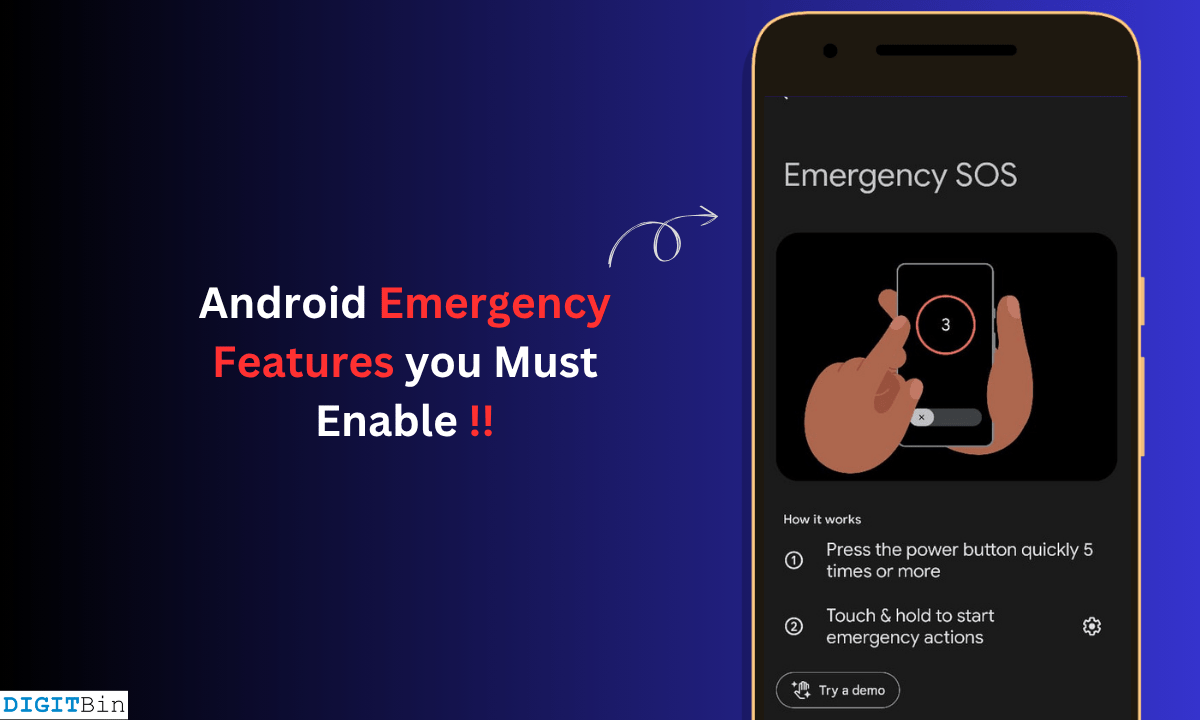
Alerts only help if the setting is on. Our guide to Android emergency settings covers the toggles worth leaving enabled.
A phone on Do Not Disturb at 3 a.m. is a good example of a setup you want to test, not discover. Take a minute to check where the earthquake alert option lives on your device, and confirm it is switched on.
Not a dramatic change on a normal day, but an honest improvement on the day it matters.
Who gains the most from the expansion
People in the newly added countries and regions gain the most, since they go from no alerts to the same three alert types as everyone else. Travelers get a quieter benefit, because a phone that already works at home now works in more places abroad.
Google did not list every new region in its post, so the safest step is checking the official page of active regions. The alert design itself is the next thing to change, once the new Be Ready details arrive.