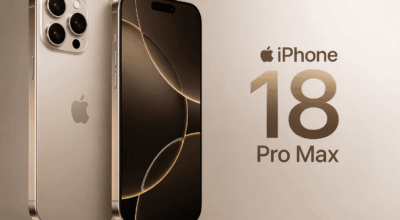
The iPhone 18 Pro Max vs 17 Pro Max question is the one that matters most to people who already spent $1,199 on Apple’s best phone last year.
The short version is this: 2026 is a more meaningful update than 2025 was over 2024. Not because the design changes dramatically, but because three of the four core upgrades are hardware-level changes that the 17 Pro Max simply cannot replicate through a software update.
TL;DR: The iPhone 18 Pro Max brings a variable aperture camera, Apple’s first 2nm A20 Pro chip, a slightly larger battery with better efficiency, a smaller Dynamic Island, and 5G satellite internet. The design is nearly identical to the 17 Pro Max. If you shoot a lot of photos, care about battery endurance, or want satellite connectivity, the upgrade case is solid. If you bought the 17 Pro Max less than eight months ago, waiting is still reasonable.
Camera: the biggest reason to upgrade
The iPhone 17 Pro Max uses a fixed f/1.78 aperture on its main camera. Every photo you take, every portrait, every low-light shot, is captured at the same fixed lens opening. The iPhone 18 Pro Max is expected to introduce variable aperture for the first time in iPhone history.
Variable aperture means the lens opening can narrow or widen depending on conditions and creative intent. In bright light, a narrower aperture prevents overexposure. In low light, a wider opening pulls in more. For portraits, controlling aperture gives you actual optical depth of field rather than computational blur. The difference between real bokeh and AI-simulated bokeh is visible on close inspection, especially around fine detail like hair or glasses frames.
Supply chain partners, including Sunny Optical and LG Innotek, have begun production on the actuator mechanisms that enable the variable aperture system. This is not a rumor at the concept stage. It is in active manufacturing ahead of a September launch.
Chip: 2nm matters more than the number suggests
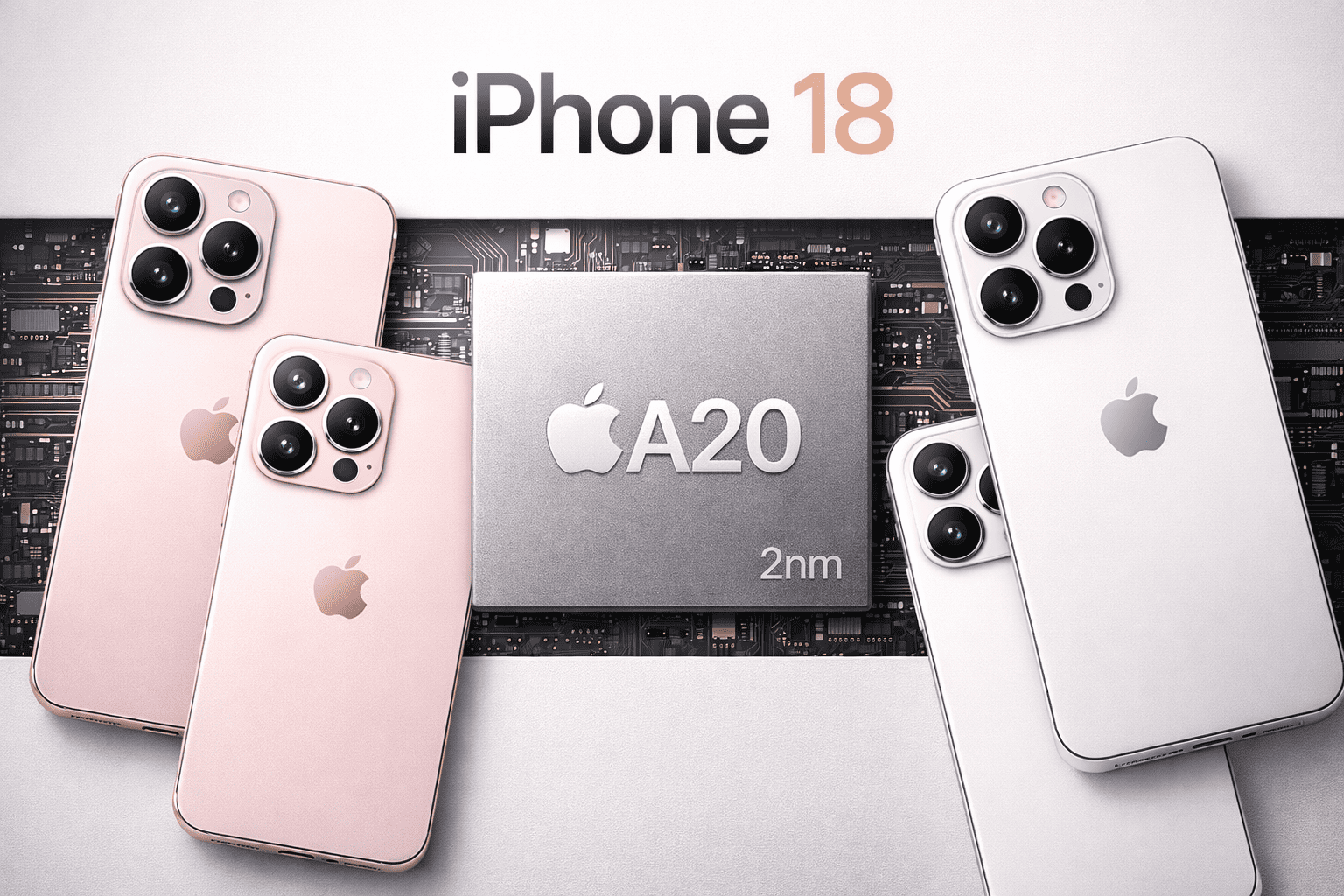
The A19 Pro in the iPhone 17 Pro Max is built on TSMC’s 3nm process. The A20 Pro moves to 2nm, Apple’s first chip at that node. Early reports suggest up to 15 percent faster performance and 30 percent better power efficiency compared to the A19 Pro.
For most daily tasks, faster is invisible above a certain threshold. The A19 Pro is not slow. But the efficiency gain is real and cumulative. Better efficiency means less heat, longer battery life under sustained load like gaming or video export, and better performance on Apple Intelligence tasks as those get more demanding through iOS 27.
The 17 Pro Max will continue receiving iOS updates and Apple Intelligence features. It is not going obsolete. But computationally intensive AI features will run better on a 2nm chip, and that gap will widen over the next two to three years.
Battery and satellite: practical day-to-day upgrades
The iPhone 18 Pro Max is expected to carry a 5,100 to 5,200mAh battery alongside the more efficient A20 Pro. Combined, that could push endurance past 40 hours of mixed use according to current projections. The 17 Pro Max already leads most battery rankings, so this extends an existing advantage rather than fixing a weakness.
Satellite internet is a more conditional upgrade. The C2 modem is expected to support NR-NTN, allowing full internet access over satellite rather than only emergency SOS.
If you regularly hike, travel to remote areas, or live somewhere with inconsistent coverage, this is a real feature. If you live in a city and rarely lose signal, it is a capability you may never use. Worth having, not necessarily worth upgrading for alone.
What stays the same
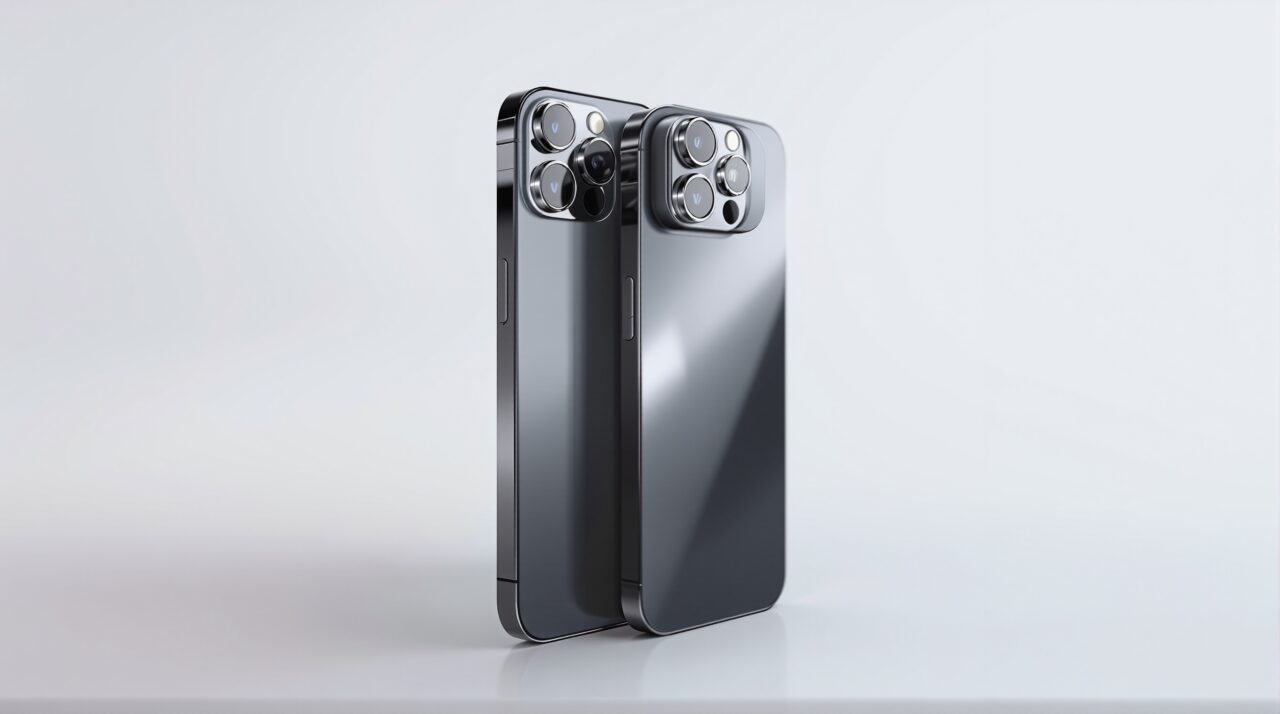
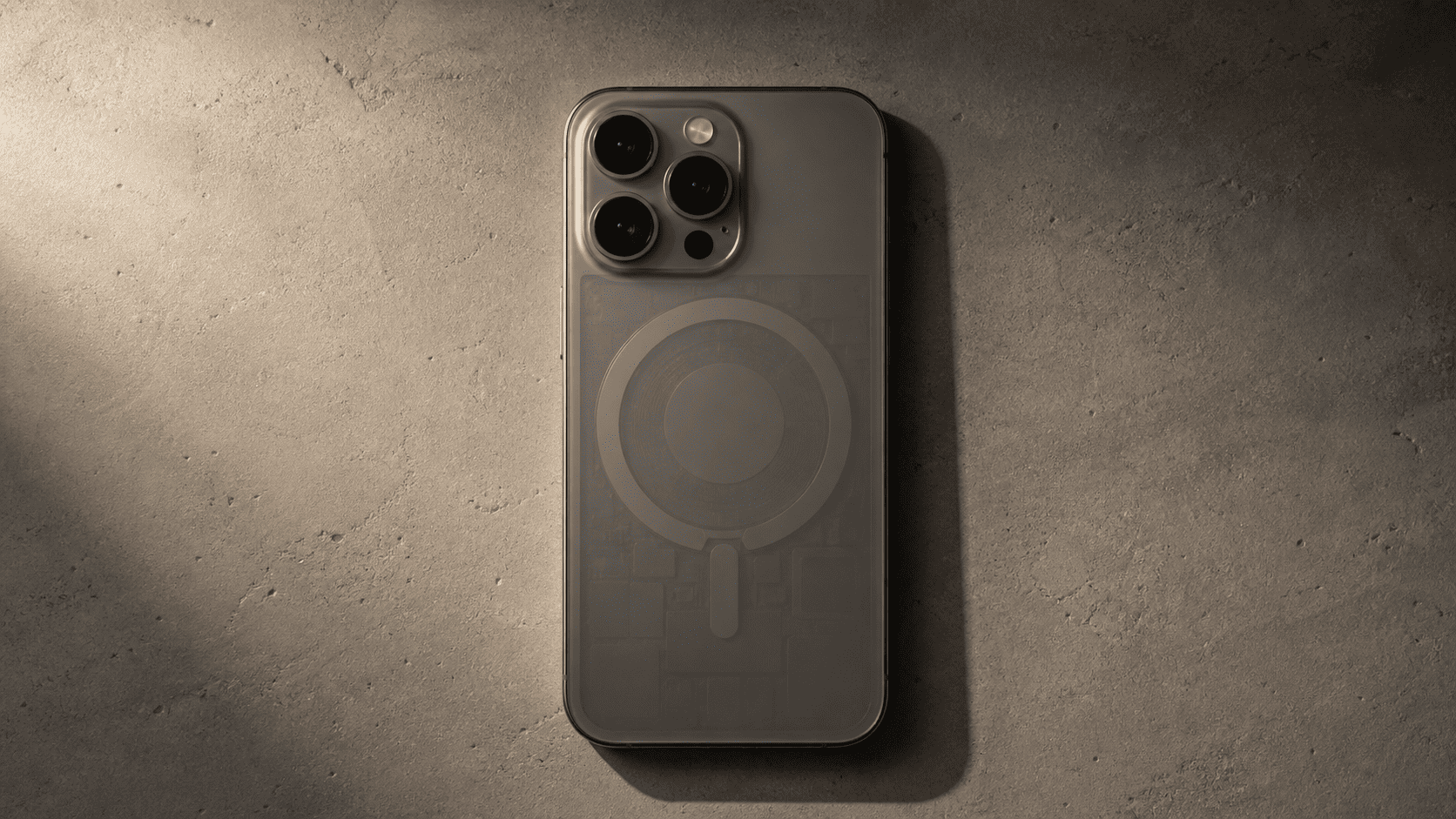
The design is nearly identical. Same 6.9-inch display, same camera plateau on the back, same titanium frame. The Dynamic Island shrinks slightly. The back glass gets a unified look that eliminates the two-tone effect on the 17 Pro, and Apple is testing a new Dark Cherry color. But if you put the two phones side by side, most people would not identify which is newer without picking them up.
Pricing is expected to hold at $1,199 for the Pro Max based on current analyst reporting, so no premium is being added for the camera upgrade.
The honest verdict for 17 Pro Max owners
One caveat worth setting before September: variable aperture on a smartphone is narrower in range than a dedicated camera. DSLRs and mirrorless cameras span f/2.8 to f/22.
Whatever Apple ships will cover a narrower band, and the exact stops available have not been confirmed by any supply chain source. The feature expands what the iPhone 18 Pro Max camera can do optically. It does not replicate a full-frame sensor. That is a realistic expectation to carry into the launch, not a reason to be skeptical of the upgrade itself.
The variable aperture camera is the one upgrade the 17 Pro Max cannot close through software. If photography is a primary reason you own a Pro Max, that alone makes the 18 Pro Max a meaningful step forward. Add the chip efficiency gains and the better battery endurance and the case strengthens. The iPhone 18 Pro pricing staying flat helps too.
For everyone else, the upgrade math depends on how long you have had your current phone. At one year, waiting another cycle is reasonable. At two years or more on a 16 Pro Max or older, the jump is substantial across every category that matters.